Reading habits among young people have shifted dramatically over the past decade. Where previous generations grew up with physical books as their primary source of stories and information, today's children and teenagers are navigating a far more complex media landscape. Understanding where reading is headed — and what that means for young people — has never been more important.
Screens, not shelves
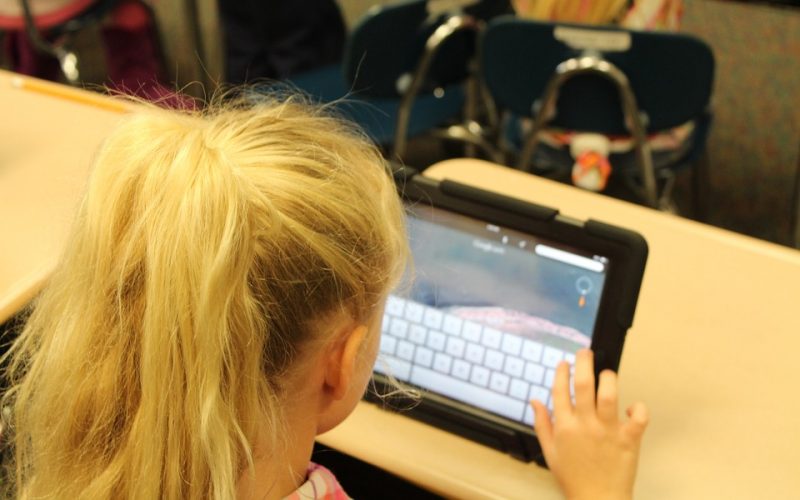
Digital devices have become the dominant medium through which young people consume text. From e-books and online articles to social media captions and instant messages, reading still happens constantly — just not always in ways that adults traditionally recognise. Research from the National Literacy Trust found that children who read on screens are just as likely to enjoy reading as those who read print, provided they are engaged with the content. The format, it turns out, matters less than the experience surrounding it.
The rise of short-form content
One of the most significant shifts has been towards short-form reading. Platforms like TikTok, Instagram, and X (formerly Twitter) have conditioned younger audiences to absorb information in brief, punchy bursts. This has sparked concern among educators who worry that extended concentration — the kind required to read a novel chapter by chapter — is becoming harder for young people to sustain. However, short-form content has also introduced millions of young readers to topics they may never have otherwise encountered, from astrophysics to ancient history.
BookTok and the reading revival
Not all digital trends are pulling young people away from books. The BookTok movement, which originated on TikTok, has generated remarkable enthusiasm for reading among teenagers and young adults. Videos recommending novels, sharing emotional reactions to plot twists, and debating characters have amassed billions of views globally. Publishers have reported significant spikes in sales for titles that go viral through the platform. Far from replacing books, social media has, in some cases, become one of the most powerful tools for getting young people to pick them up.
Audio and the evolution of storytelling
Audiobooks and podcasts represent another growing avenue for young readers — or rather, listeners. For children who struggle with dyslexia or other reading difficulties, audio formats can open up worlds of storytelling that might otherwise feel inaccessible. Even for those without reading challenges, listening to a book during a commute or before bed has become a normalised part of daily life. The line between reading and listening is blurring, and that is not necessarily a problem.
What educators and parents can do
Supporting young readers in this environment requires flexibility. Encouraging any form of engagement with text — whether that is a graphic novel, a news app, or a favourite blog — builds literacy skills and cultivates the habit of reading. Schools that blend digital and print reading experiences tend to produce more confident readers overall. The goal is not to resist change, but to guide young people towards reading that is both enjoyable and enriching.
Reading's future is broad
The future of reading for the young looks less like a single activity and more like an ecosystem of choices. Physical books, e-readers, audiobooks, and digital content all have a role to play. What remains constant is the value of reading itself — its ability to build empathy, expand knowledge, and strengthen communication. The challenge for the next generation will not be finding ways to read, but finding the time and space to read deeply.